I designed Cube Architecture Gallery whilst working at the practice of Hodder Associates. Graeme Russell, the founder of Cube, was my client and we remained close friends for many years after, working on a number of projects including his house and elements of the Le Corbusier retrospective in Liverpool.
The building is a Grade II listed Victorian cotton warehouse. A very complicated sequence of disparate spaces, separated by thick, beautifully and pragmatically sculpted brickwork.
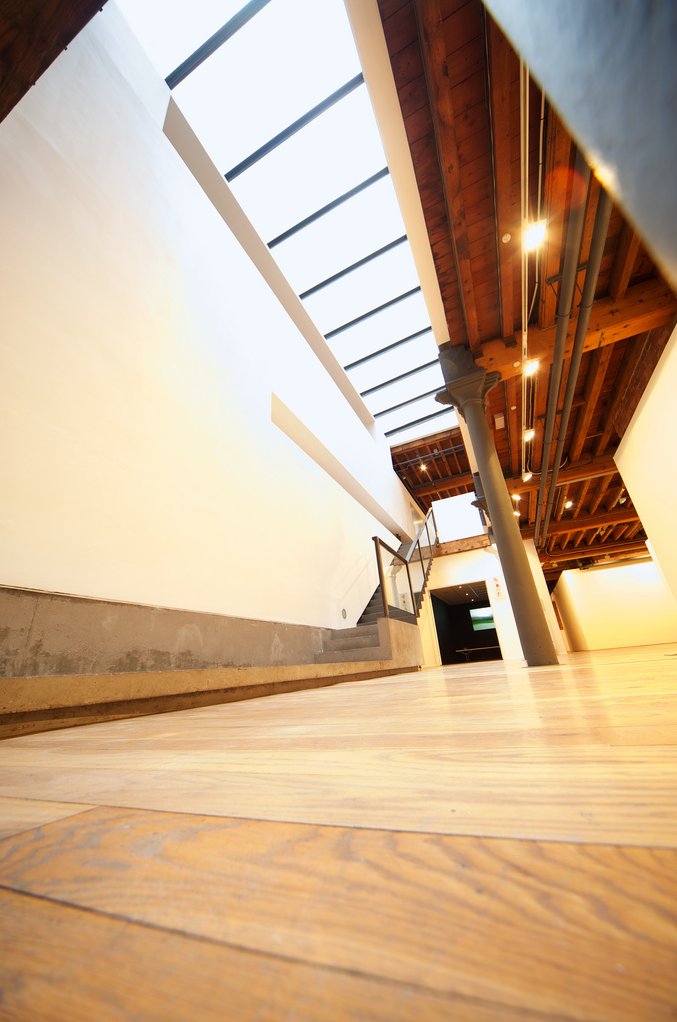
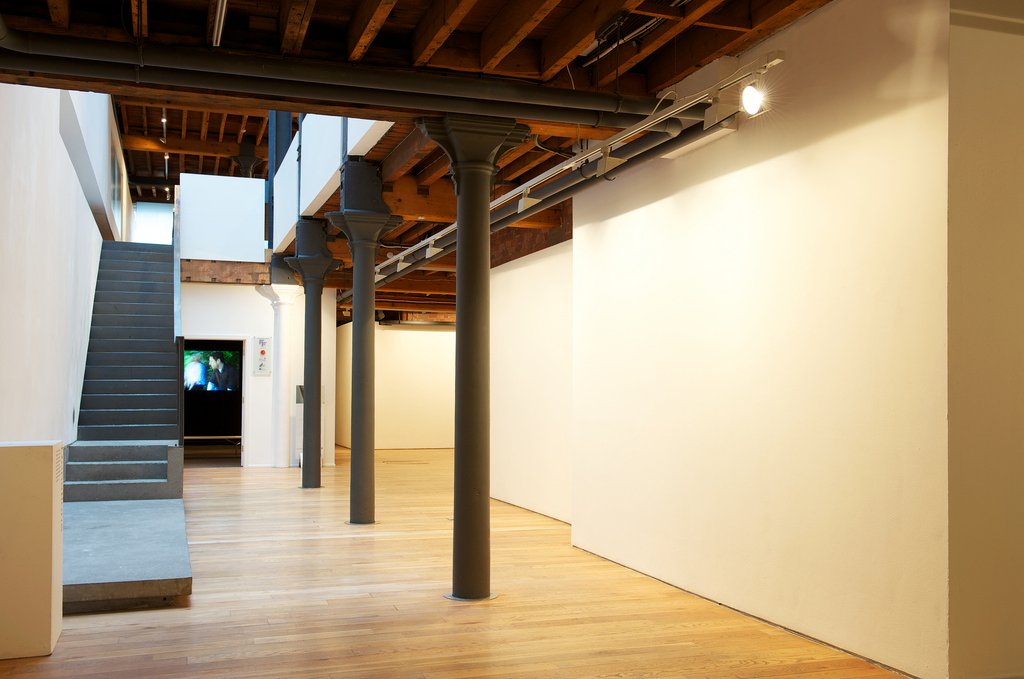
My idea was to take these disparate spaces and unify them with a new layer of planes or surfaces. Strategic cuts through the brick structure make way for straight flat planes, connecting whilst still maintaining the shape of the existing building. The new white surfaces slip between the columns and under the timber ceiling, creating a continuous gallery environment that reads as a single space even as it wraps around corners, changes level and passes through the original brick walls.
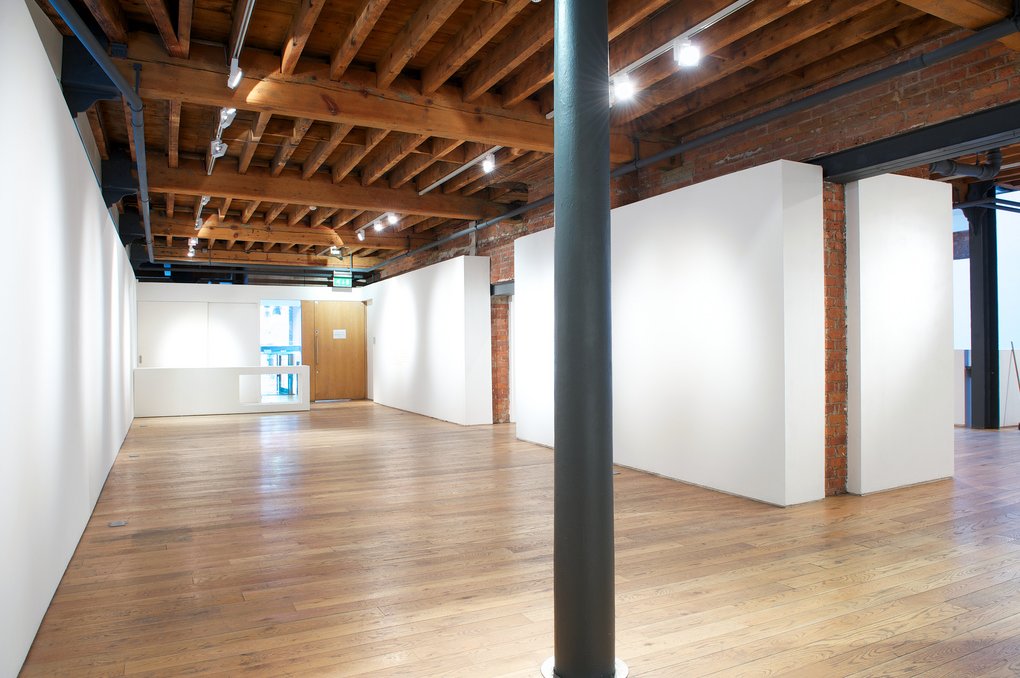
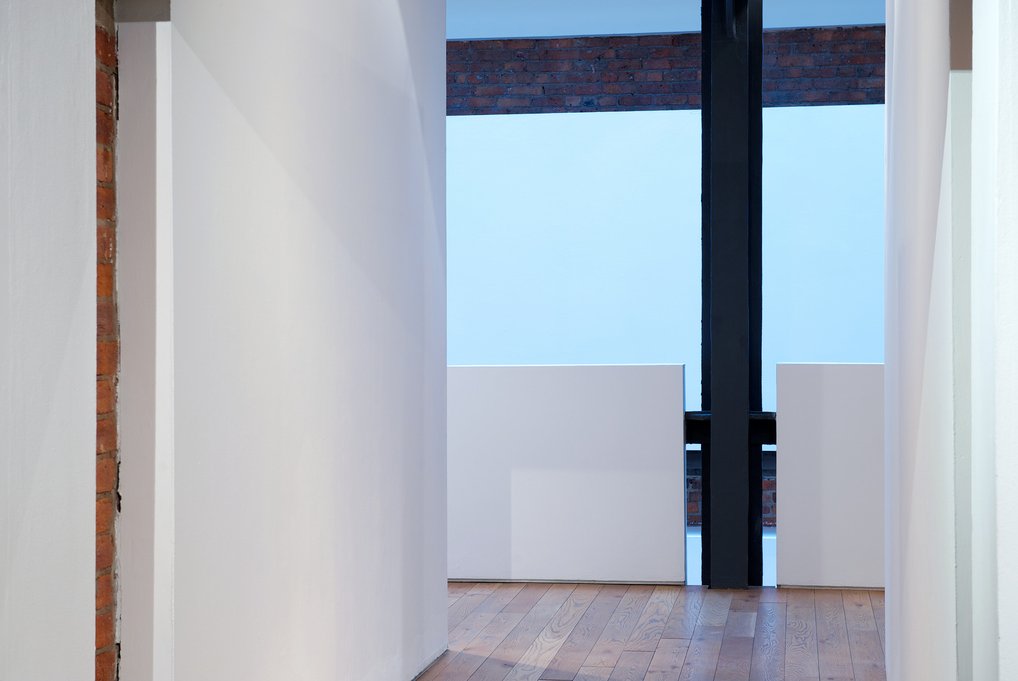
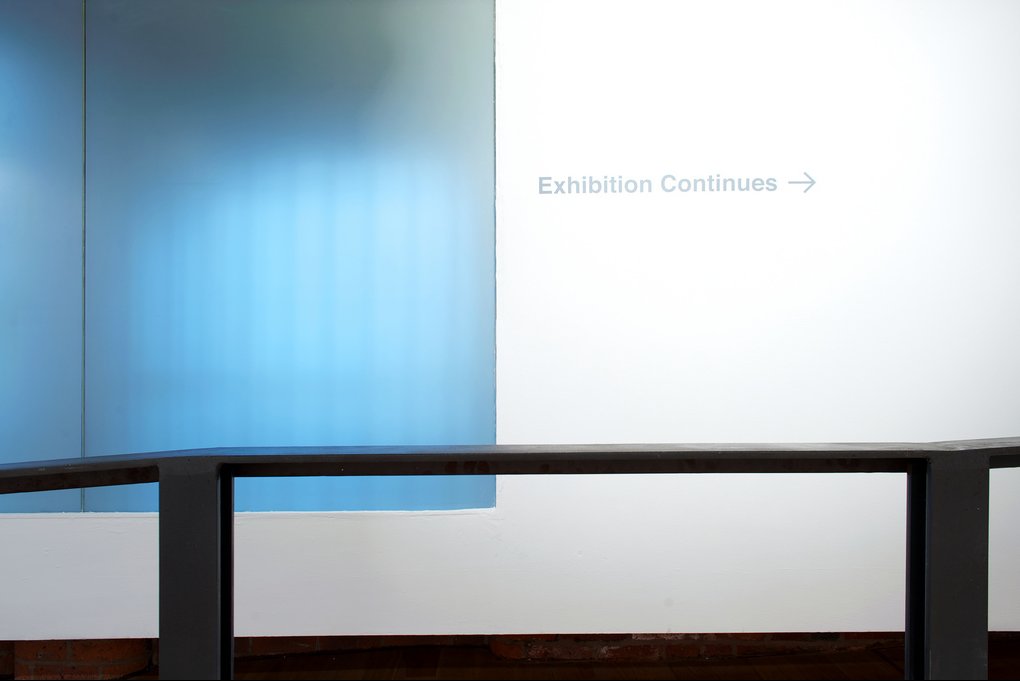
Translucent glass panels are inserted at key junctions — where a new wall meets the existing brick, where the floor changes level, where the route turns. The glass glows with a soft blue light, marking the seams between old and new. It's a quiet signal. The interventions don't shout. They sit precisely against the roughness of the Victorian fabric — smooth against textured, white against brick, flat against sculpted.
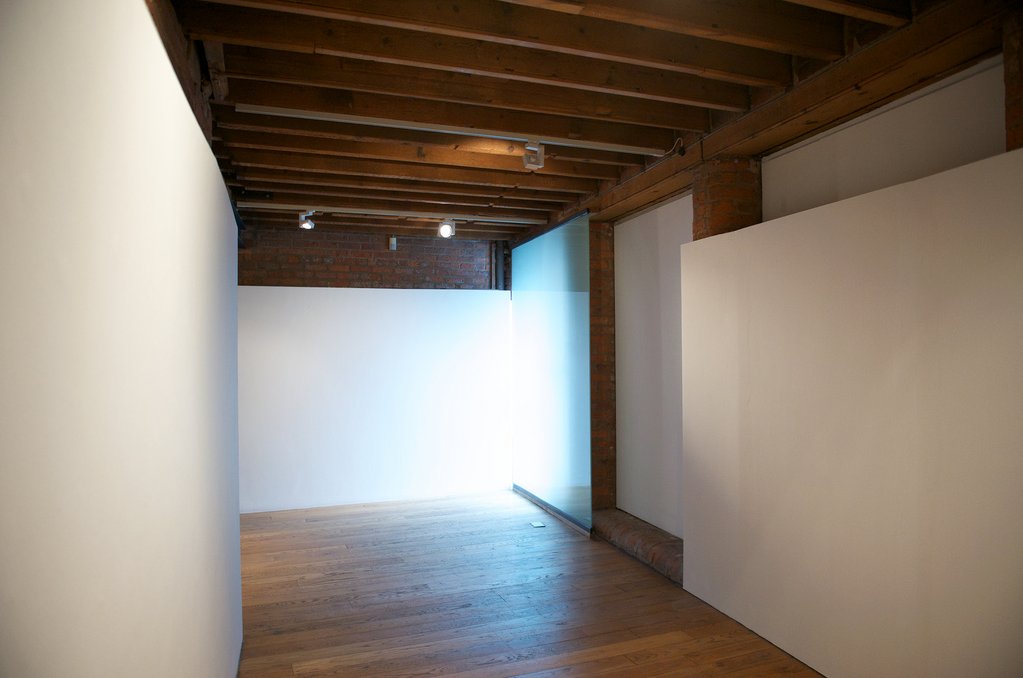
This was a very demanding project to construct. To make the spaces feel so clear required much hidden complexity. Every junction had to be resolved so that the new surfaces appear to float free of the building's structure — touching it lightly, never competing with it. The oak floors, the exposed timber ceiling, the cast iron columns — they all predate the intervention and will outlast it. The gallery sits within the warehouse as a guest, not a replacement.
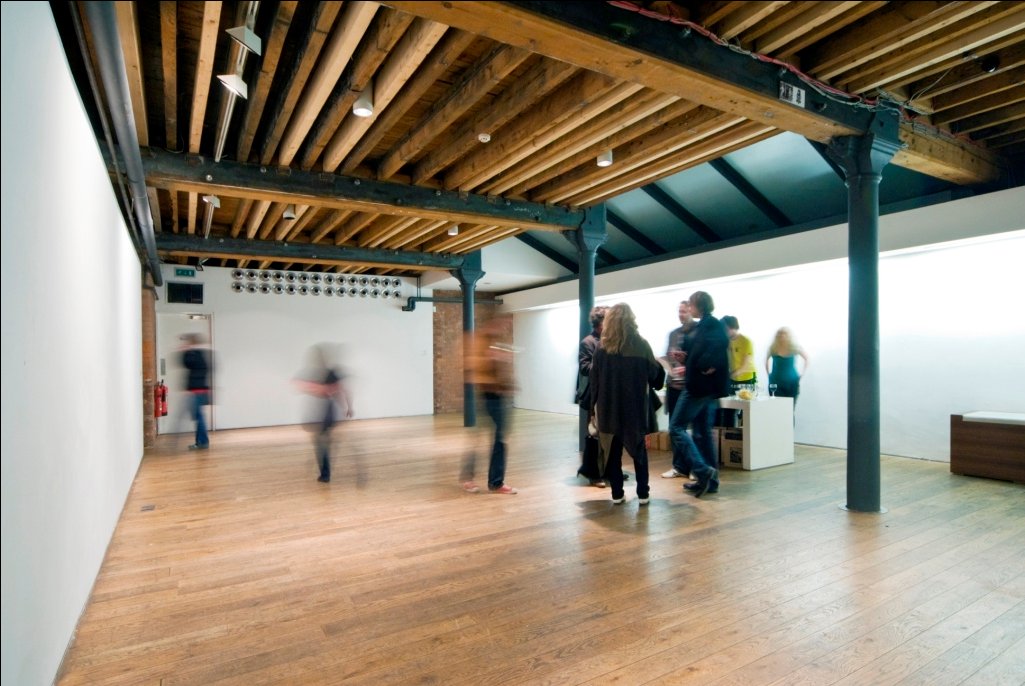
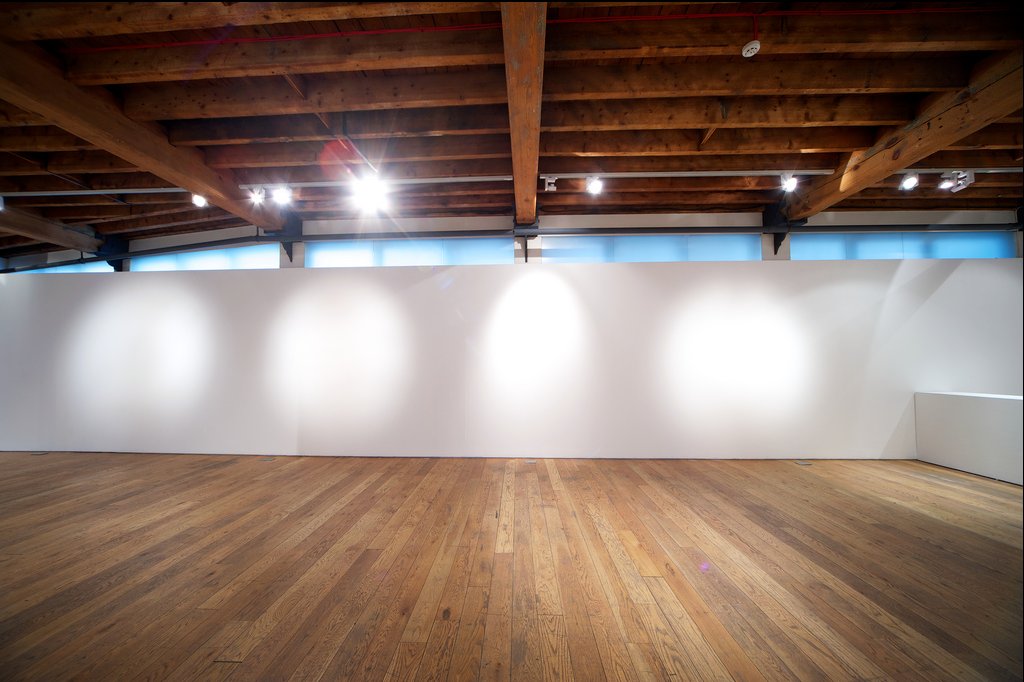
The gallery quickly became one of Manchester's most important spaces for contemporary architecture and art. The relationship between the new white planes and the Victorian warehouse gave every exhibition a dialogue with the building itself — the work was never shown in a neutral void but against the texture and weight of two centuries of industrial history.
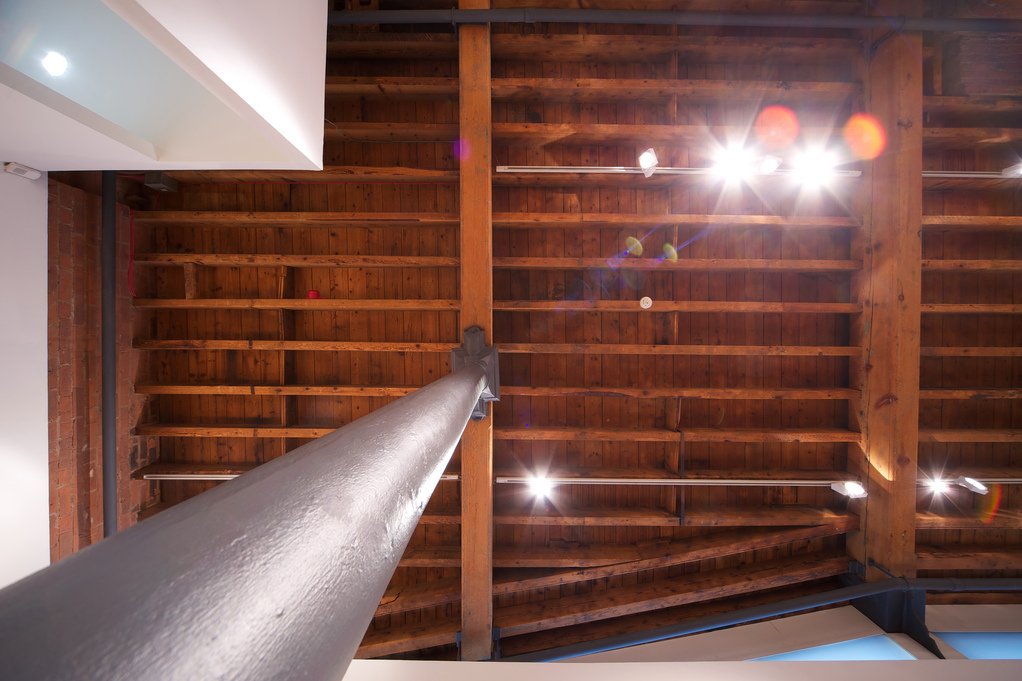
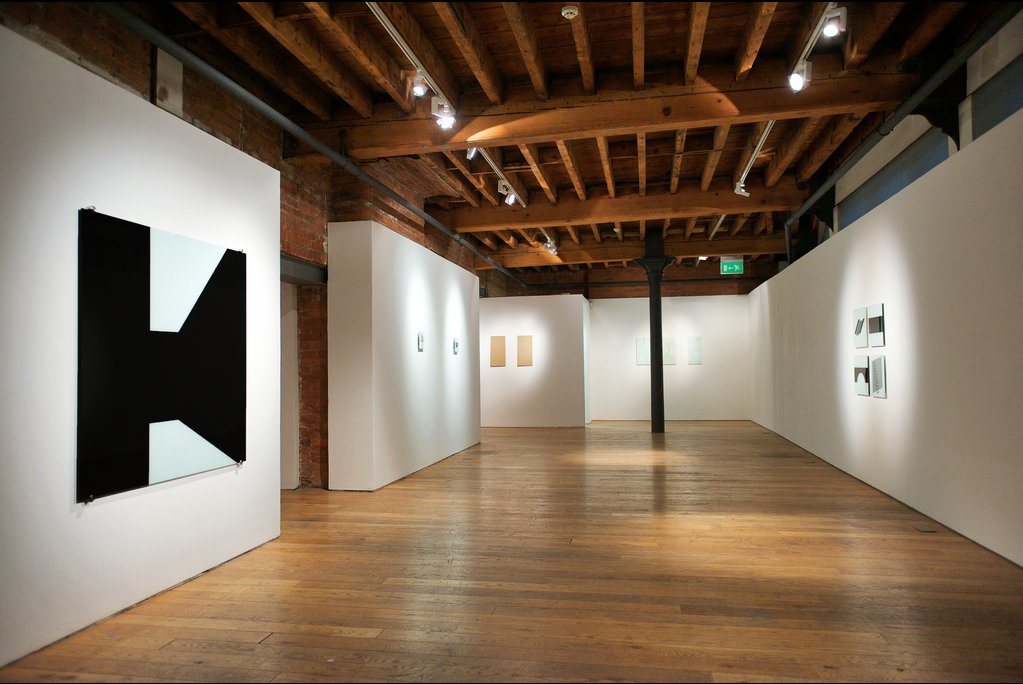
I'm proud of how contemporary it still looks. The simplicity of the idea — planes against brick, light against weight — has an endurance that doesn't date. The building does the work. The intervention just makes it available.
Photography: Maurice Shapero