I designed The National Wildflower Centre whilst working for the practice Hodder Associates. The idea for the National Wildflower Centre was a progression of the work I had been exploring at the Royal College of Art : The traditional notion of the line having zero thickness between figure and ground. In urban design terms this equates to figure / solid / the buildings, and ground / space / the public realm. Line is the non-existent boundary between those two which can be imagined, in urban design terms, as the wall. Taking this conceit further there is nothing to determine the thickness of the wall, as logically it should have zero thickness.
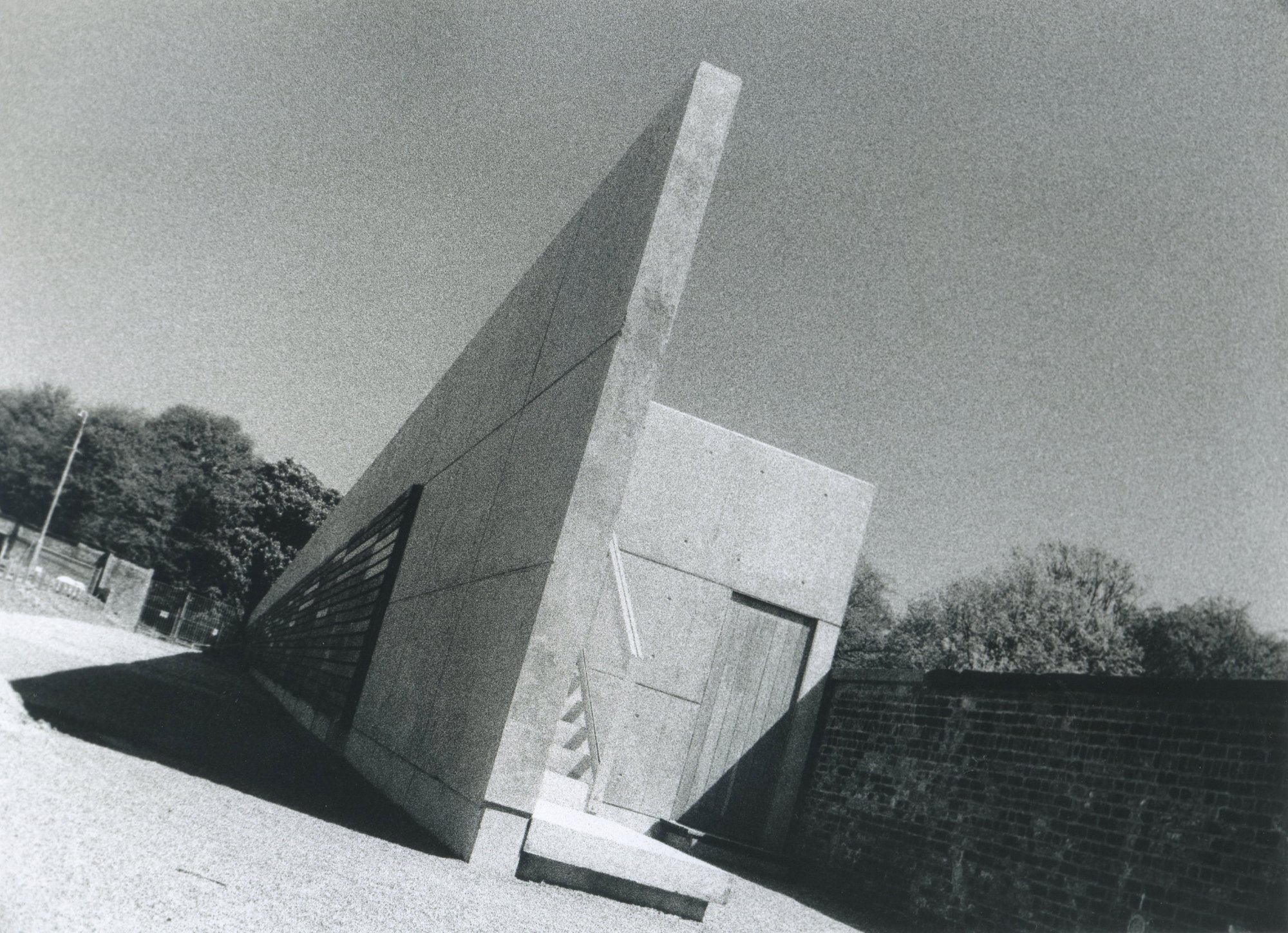
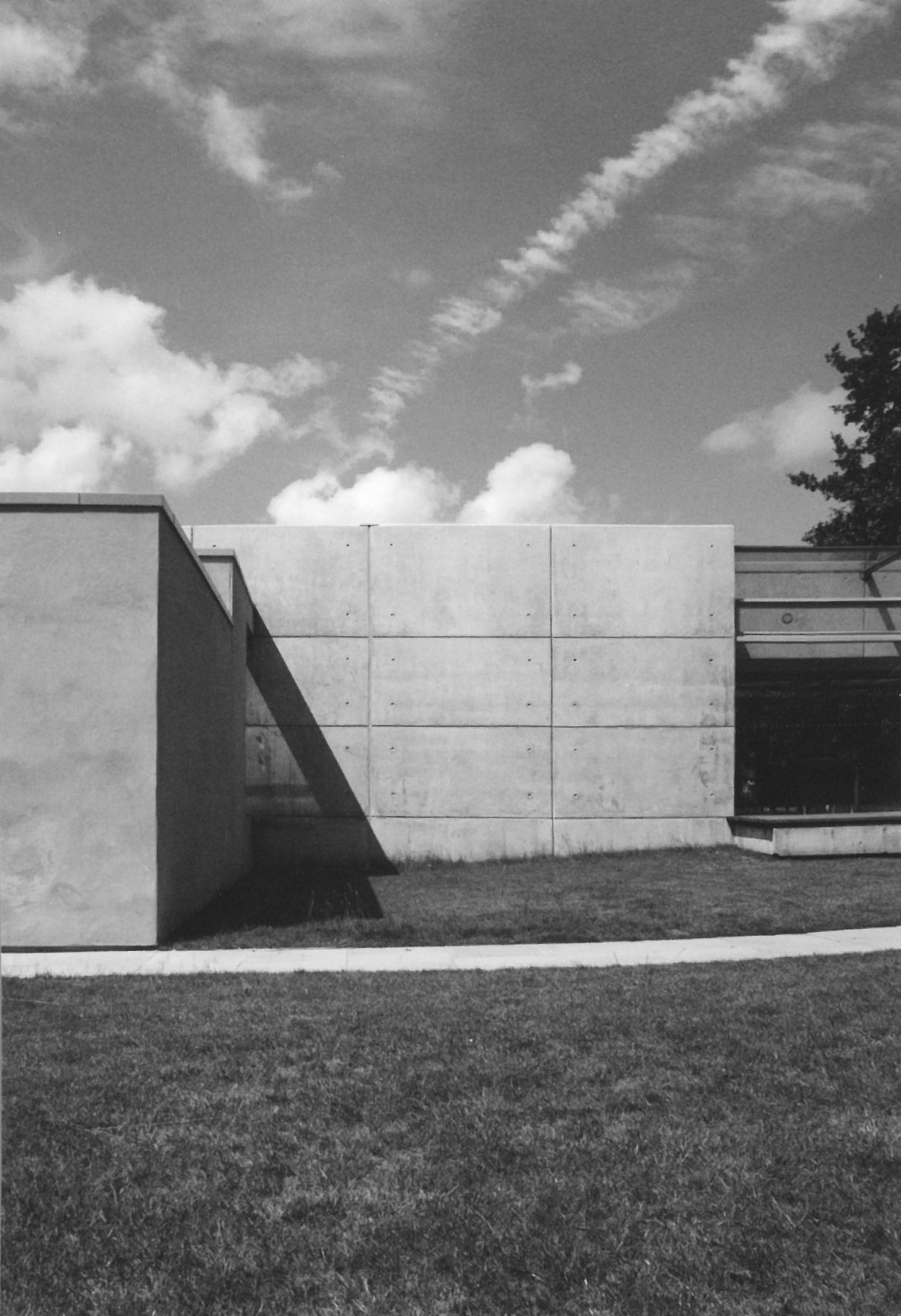
The competition rules indicated a red line for where the new building should go. From the site plan this seemed logical enough. However, when I visited the site it was clear the red line location didn't address the whole context of the surrounding park. Put simply, a dead zone running across park split it in two like the spine of a book. Coincidentally the axis of the dead zone aligned perfectly with the existing wall of the walled garden. And, as if further proof were needed, it also aligned with a huge Horse chestnut tree and a small, existing rangers storage building.
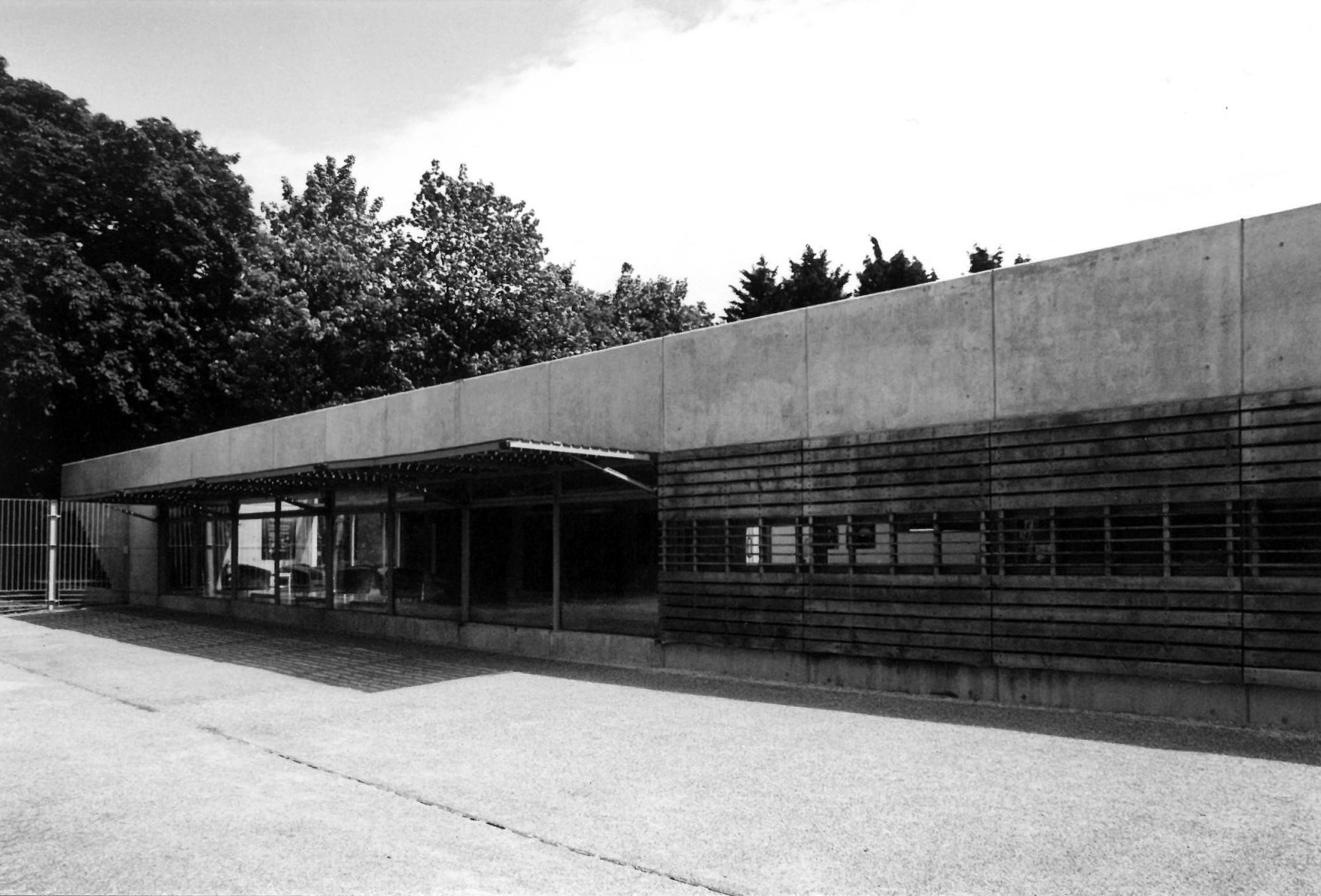
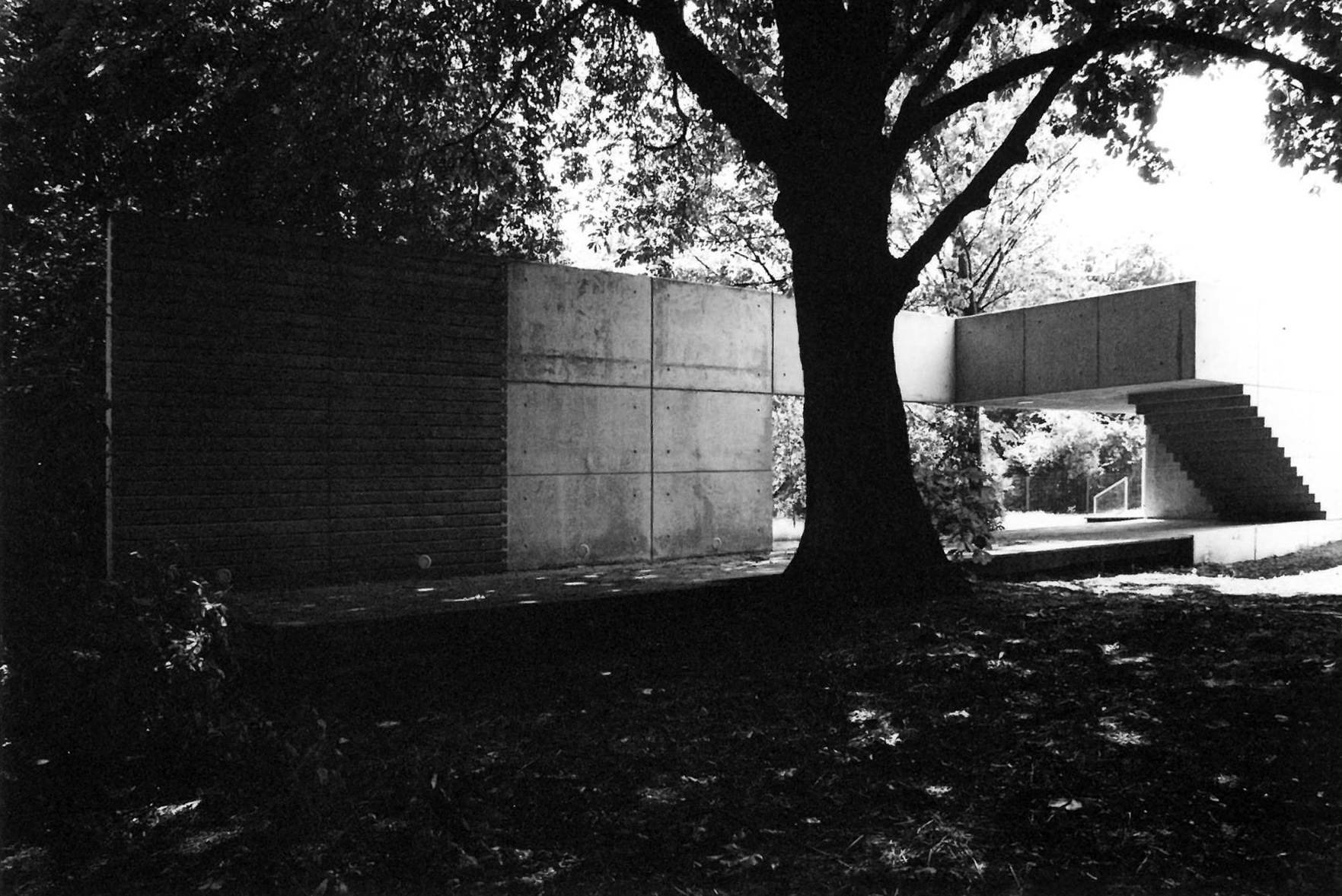
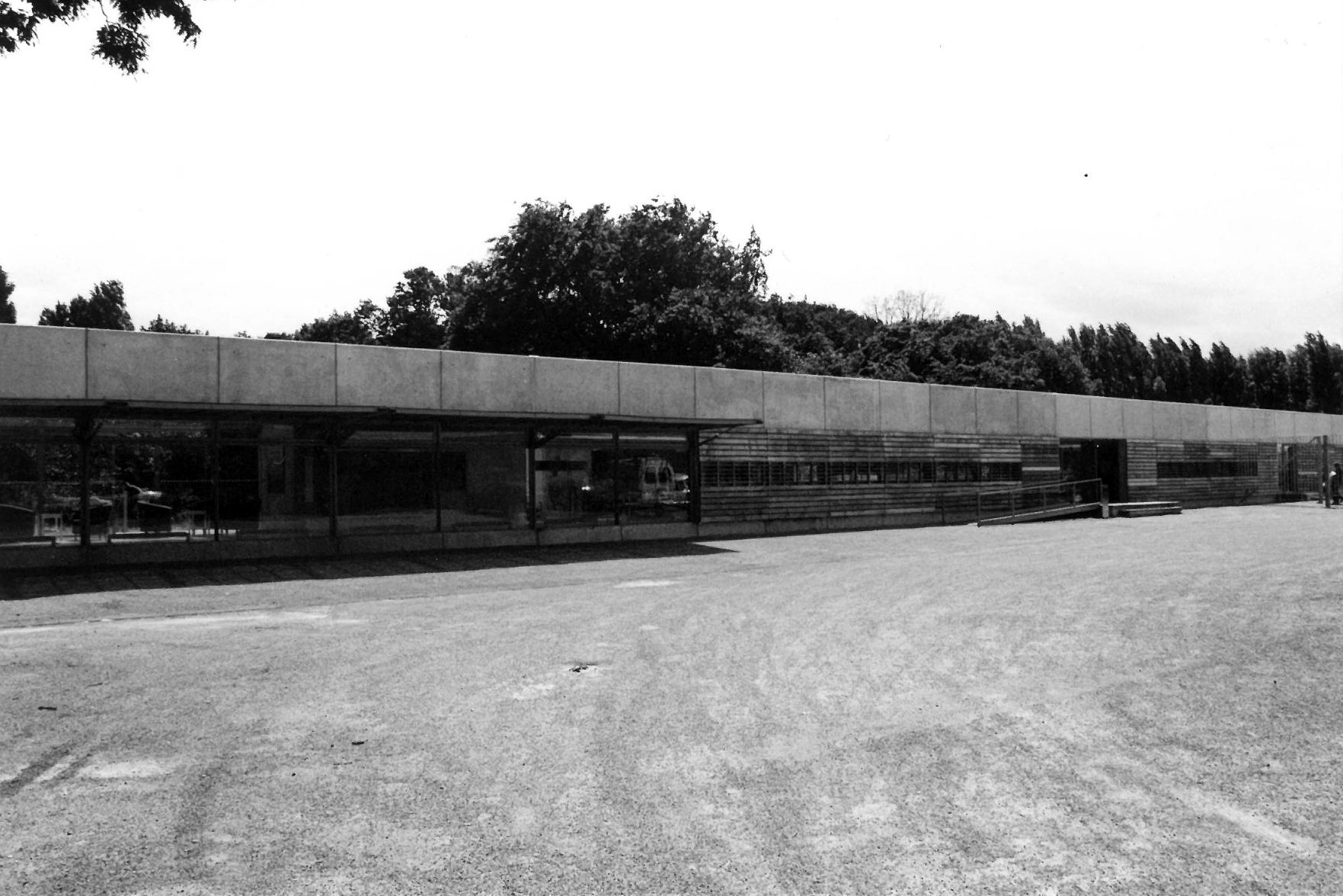
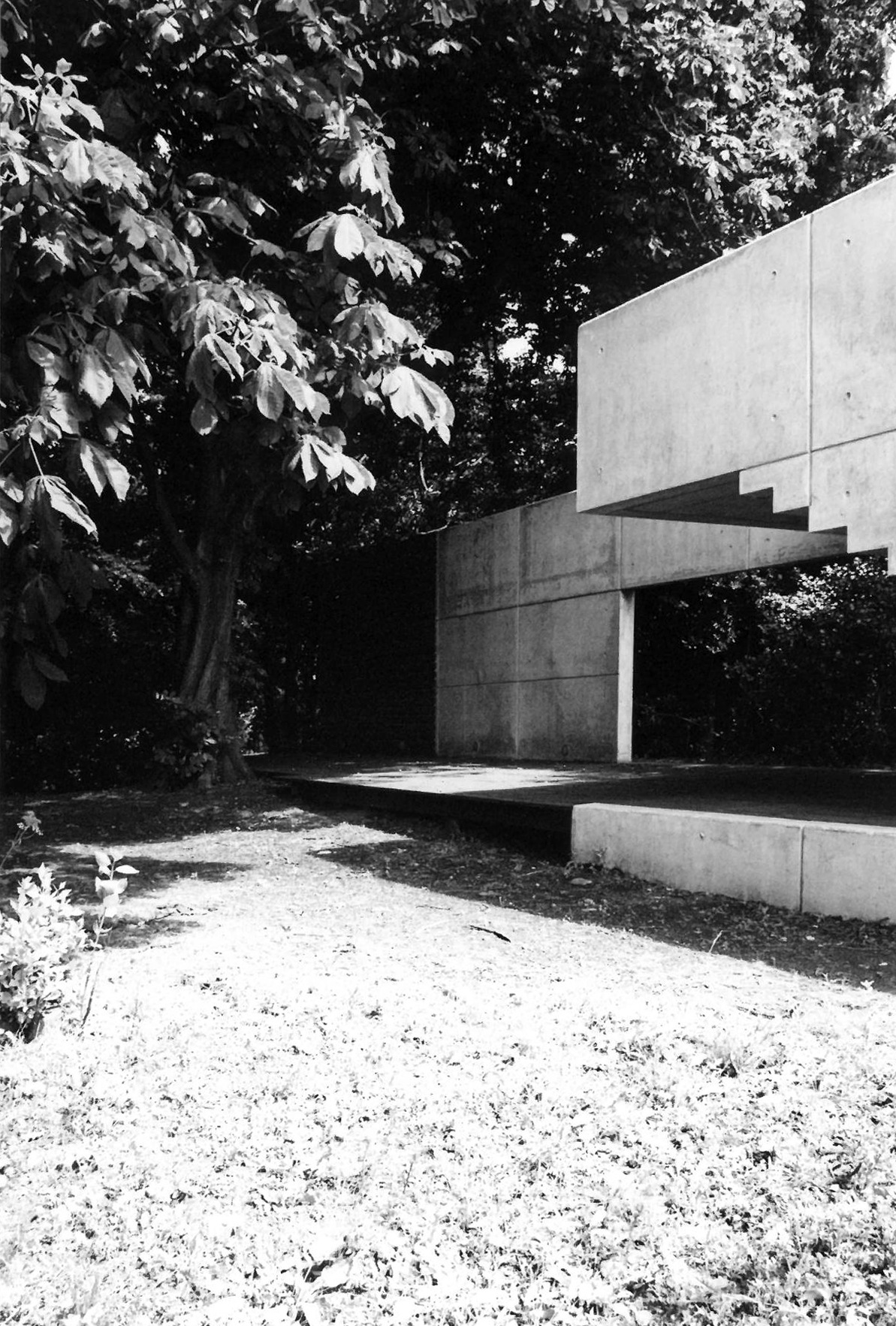
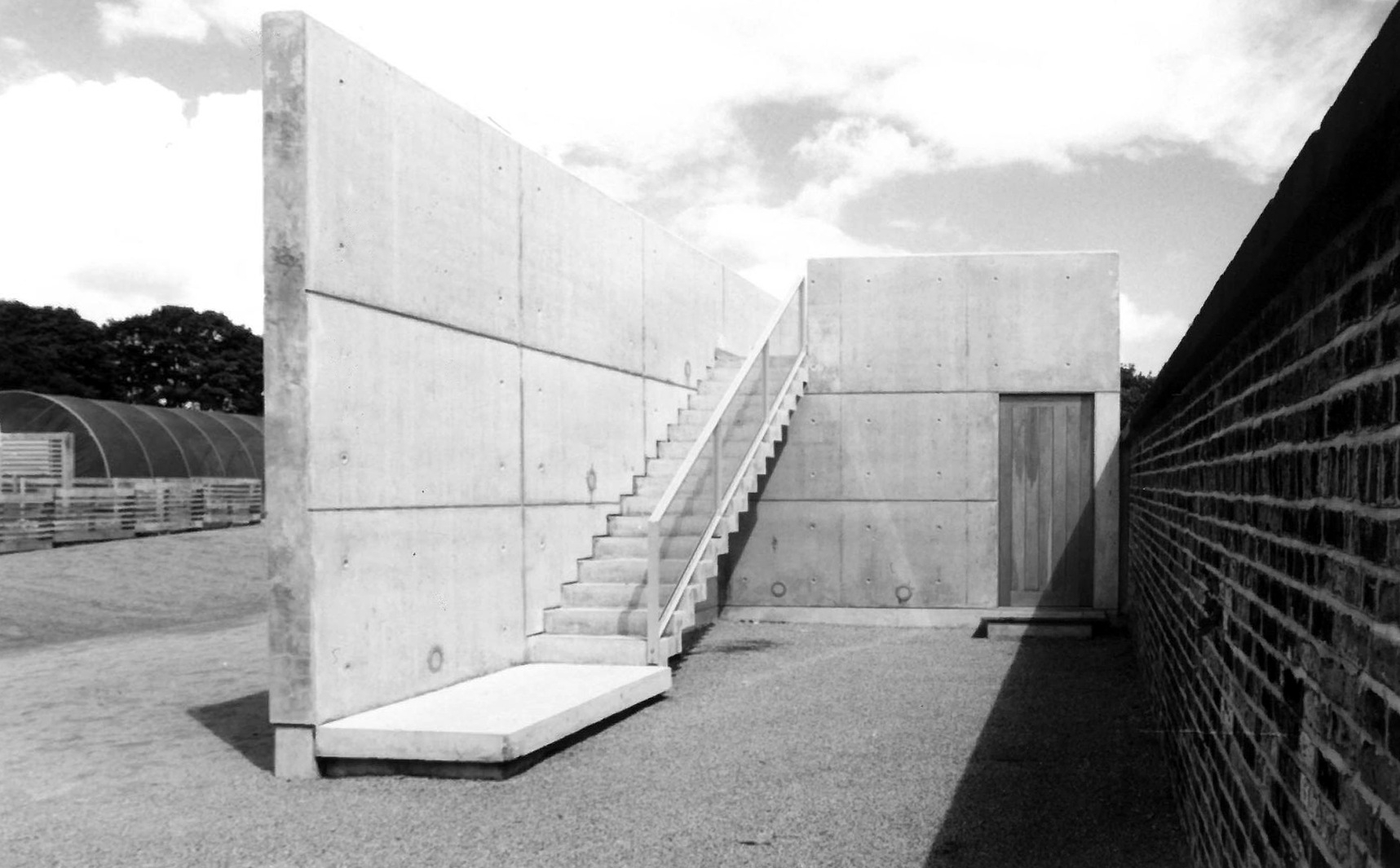
The whole concept, which was eventually built, was born on that first visit : Place a positive object into a dead space, or zone, to reconcile the two halves of the park. A line, an axis which by the conceit described above, develops a thickness which can be sculpted out to create habitable space. The object is a 160M long by 4M wide single storey concrete bar which is sculpted and carved to deal with all the functions and varying contexts along its length.
Photography: Maurice Shapero